Exploring the Awqaf Building in Muhaisnah 4


Intro
The Awqaf building in Muhaisnah 4 stands as a testament to the architectural and social evolution within this vibrant community in Dubai. Known for its unique blend of modern design and functional space, it plays a pivotal role in both the local landscape and the broader real estate market. By understanding its origins, architectural nuances, and community impact, one can uncover significant insights relevant to investors, buyers, and agents alike.
Real estate enthusiasts seeking to dive deeper will find this exploration valuable as it unpacks the underlying trends and dynamics that shape the area. The narrative unfolds in a manner that goes beyond just bricks and mortar, connecting the dots between infrastructure development, community growth, and investment potential in Muhaisnah 4.
Market Trends and Analysis
Current Market Conditions
As the winds of change sweep through Dubai’s real estate sector, Muhaisnah 4 is no exception. The area is seeing a growing interest not just among residents but also from property investors eyeing promising returns. The Awqaf building, with its well-planned communal spaces, is a magnet for businesses and residents, pushing demand upward.
Recent data indicates that property values in Muhaisnah 4 are climbing steadily, supported by increased infrastructure and amenities. This surge has made the location attractive for long-term investment and lifestyle choices. Local markets reflect an enthusiastic reception to the mid-range prices paired with upscale living, catering to a diversified demographic from expatriates to local families.
The Awqaf building is more than just a structure; it symbolizes the community's aspirations and potential, reflecting the changing tides of urban living in Dubai.
Future Projections and Opportunities
Looking ahead, Muhaisnah 4 is anticipated to thrive even more. The government’s plans for expanding infrastructure and enhancing transport facilities are pivotal in increasing property desirability. Moreover, a burgeoning trend towards mixed-use buildings, like the Awqaf structure, suggests a more integrated lifestyle experience that appeals to new generations seeking vibrant living combined with convenience.
In this light, strategic investments can be directed towards:
- Residential units, which are becoming increasingly popular.
- Commercial spaces, catering to new businesses attracted by foot traffic.
- Retail opportunities, in the wake of integrated communities offering everything under one roof.
These insights point towards a promising horizon for stakeholders in the real estate game within this area.
Investment Strategies
Best Areas for Investment
For investors contemplating the next opportunity, Muhaisnah 4 has its fair share of charms. The Awqaf building reinforces the idea of investing in areas that exemplify growth potential. Here are compelling areas to consider:
- Proximity to transportation hubs, making commutes easier for residents.
- Commercial districts within walking distance to the Awqaf building, providing business opportunities.
- Community-centric projects that resonate with modern living needs.
Understanding location dynamics is key, as neighborhood amenities often dictate property value trajectories.
Tips for Property Investors
To maximize investment potential, consider the following recommendations:
- Do your homework. Research market trends and analyze property history within Muhaisnah 4.
- Network with local agents. They often possess invaluable insights that are not available on traditional platforms.
- Be prudent with financing. Understanding your investment limits aids in making informed decisions without plunging into financial strains.
Navigating the complex waters of real estate requires not just focus but also a willingness to adapt to the changing tides of market demands.
Keeping these strategies in mind can set investors on a solid path, ensuring that they are not just buying properties but investing in growth.
For further insights, you may explore resources like Wikipedia, Britannica, and local business directories.
Intro to the Awqaf Building
The Awqaf Building is more than just a structure; it stands as a testament to the rich heritage and cultural tapestry of the Muhaisnah area in Dubai. This introduction will underscore its significance not solely in architectural terms but also in social context, revealing how it integrates with the locality and contributes to the broader narrative of Dubai’s rapid development.
Situated in the vibrant community of Muhaisnah 4, the Awqaf Building has gradually emerged as a landmark. It represents the ideals of sustained community investment aimed at enhancing public welfare. The 'awqaf' concept is central in Islamic tradition, referring to endowments made for social and communal purposes. Thus, the building serves a dual purpose: it acts as a center for cultural enrichment and also as a site for significant community programs. Those looking into real estate or community investments find this building to be not just an opportunity but a pivotal piece of social fabric.
Importance of Location and Accessibility
Central to the Awqaf Building's strength is its location. Being in Muhaisnah 4 provides easy access to major routes, thus linking residents and visitors to the broader landscape of Dubai. This connectivity is vital for prospective investors and residents alike. Moreover, accessibility isn’t just about physical roads; it also encompasses the intangible aspects of community engagement which the Awqaf Building fosters.


Architectural Features and What They Represent
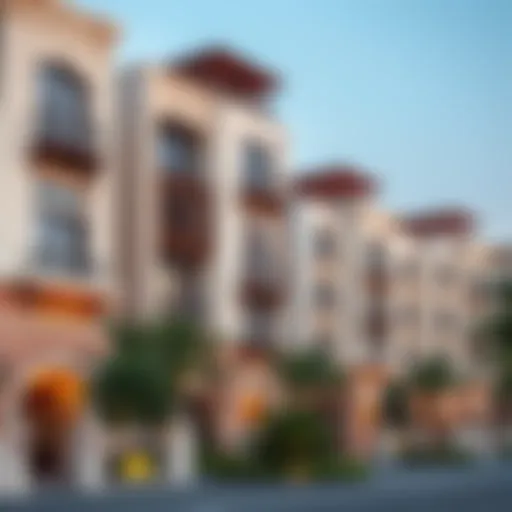
On the aesthetic front, the architectural design of the Awqaf Building reflects a blend of modernity and cultural heritage. Its structure is characterized by clean lines and functionality, but it also integrates elements that are representative of Islamic architecture. The spacious interiors and functional layout speak to the needs of the community, making the building a practical choice for social gatherings and cultural events. Through an appreciation of its architectural nuances, one begins to understand how this structure embodies the values and principles of the community it serves.
In bringing together these two factors—location and architectural integrity—the Awqaf Building not only enhances the lifestyle for those living nearby, it also anchors the community amid Dubai's rapid urban sprawl.
"The Awqaf Building is a microcosm of cultural preservation amidst swift development, reinforcing how architecture can remain a storyteller in a bustling metropolis."
Historical Background
Understanding the historical context of the Awqaf Building in Muhaisnah 4 is crucial to grasp its significance in both the architectural landscape and the socio-economic framework of Dubai. This building serves not just as a physical structure but as a testament to the cultural and philanthropic heritage that has been pivotal in shaping the community. The Awqaf system is deeply intertwined with the region's identity, and delving into this background offers insights into broader themes of community development and investment philosophies in Dubai.
Establishment of Awqaf in Dubai
The concept of "Awqaf" has its roots in Islamic teachings, where wealth is allocated for the benefit of the community. The establishment of Awqaf in Dubai can be traced back several decades, addressing both spiritual and social needs. Local philanthropists and the government collaborated to create a framework that would ensure sustainable contributions toward education, healthcare, and public welfare.
As the city transformed from a modest coastal settlement to a global metropolis, the Awqaf system evolved accordingly. Key figures in the community began establishing trusts and endowments, contributing to constructions like the Awqaf Building. This not only provided physical spaces for social services but also enhanced cultural investments, allowing for greater community engagement and collaboration.
Evolution of Muhaisnah
The area of Muhaisnah has undergone a substantial metamorphosis over the years. Initially, it was largely a residential zone with minimal infrastructure. However, with the urban expansion and the government’s vision to develop various clusters, Muhaisnah saw an influx of infrastructural projects, including the Awqaf Building. This evolution has made Muhaisnah a beacon for expatriates and investors seeking opportunities in Dubai.
In earlier days, it was quite common to see traditional villas and low-rise buildings dotting the landscape, but today, high-rises and mixed-use developments dominate, reflecting the area’s transformation into a hub of activity.
The growth of Muhaisnah is closely tied to the socio-economic dynamics of Dubai itself. With the establishment of various educational and health initiatives within the Awqaf framework, Muhaisnah has developed a vibrant community with diverse amenities. The shift in demographics and the arrival of new cultures have made the area a melting pot of ideas and innovation.
This historical background not only outlines the Awqaf's impact but also illustrates how community-focused developments can create substantial investment potential. For stakeholders, understanding these historical facets helps in navigating future opportunities as Muhaisnah continues to evolve.
Community Impact
The Awqaf Building is not just a physical structure; it's a cornerstone of the Muhaisnah 4 community, serving various roles that extend beyond its walls. Understanding the community impact of this building reveals the broader implications of its existence. This significance lies in multiple facets, including cultural relevance, social initiatives, and overall enhancement of the local quality of life.
Cultural Significance
The cultural importance of the Awqaf Building cannot be overstated. It stands as a symbol of community spirit and heritage, reflecting the rich cultural tapestry of Dubai. The building hosts events that celebrate local traditions, fostering a sense of pride among residents.
This venue often serves as a platform for cultural exchanges, providing opportunities for locals, expatriates, and visitors to engage in various artistic expressions. From art exhibitions to traditional performances, the Awqaf Building becomes a melting pot of diverse backgrounds, enriching the neighborhood’s cultural landscape.
Additionally, community events held here promote inclusivity, inviting people of all walks of life. Such gatherings often include workshops for crafting, cooking, or traditional music. These efforts not only preserve the local culture but also cultivate a shared identity among residents.
Social Programs Initiatives
Turning our gaze toward the social programs, the Awqaf Building plays a pivotal role in addressing various community needs. These have been strategically developed to support families, youths, and the elderly.
One exemplary initiative is the health and wellness programs, which offer free health screenings and educational workshops. These programs aim to raise awareness about health issues prevalent in the community, such as diabetes and hypertension. They also foster dialogue about maintaining a healthy lifestyle, ensuring that residents have the knowledge and resources to lead healthier lives.
Moreover, youth engagement is another strong focus. The building regularly organizes mentorship and career counseling sessions for young adults. This initiative provides guidance and resources that empower youth to navigate their career paths effectively. Such programs not only foster personal growth but also enhance the employability of young residents.
In addition, the Awqaf Building facilitates charitable activities that contribute to the well-being of less fortunate community members. Events like food drives and clothing donations are often held, showcasing the community’s compassion and willingness to support one another.
Through these various initiatives, the Awqaf Building catalyzes a strong support network, enhancing community bonds and promoting overall resilience within Muhaisnah 4.
Investment Opportunities
Investing in real estate often feels like navigating a maze, especially in a landscape as dynamic as Dubai. However, the Awqaf Building in Muhaisnah 4 presents a unique gateway for those looking to make astute investment choices. This section will shine a light on why these opportunities are vital for both seasoned investors and newcomers alike, highlighting specific elements, benefits, and considerations.
The Awqaf Building is more than just a structure; it stands as a testament to Dubai's forward-thinking approach to urban development and community upliftment. With real estate prices on the rise and a burgeoning population in Muhaisnah, understanding the investment landscape here is crucial.
Current Real Estate Trends


As of late, real estate trends in Dubai indicate a resurgence of interest in areas like Muhaisnah. Demand for housing continues to outpace supply, encouraging developers to explore new projects. Here are some key points shaping the current market:
- Affordability: Compared to more luxurious neighborhoods, Muhaisnah offers price points that are more accessible for middle-class families and expatriates.
- Rental Yield: Investors can expect attractive rental yields as more people flock to the area for its balanced lifestyle and vital amenities.
- Infrastructure Development: The government’s investment in transport infrastructure and community services enhances the appeal of Muhaisnah, making it a hotbed for investment.
These trends are critical, as they steer future property values and establish a solid foundation for investment decisions. The current climate suggests a promising return on investment potential, drawing keen interest from diverse buyer profiles.
Potential for Growth in Muhaisnah
Looking into the future, Muhaisnah 4 is poised for significant growth. Several factors contribute to this trajectory, making it an attractive spot for both developers and investors:
- Diverse Demographics: The area is home to various nationalities, which not only enriches the community but also stands as a testimony to its growing popularity.
- Sustainability Initiatives: The local government’s push for greener living spaces is encouraging eco-friendly construction projects, particularly around the Awqaf Building, which aligns with global sustainability trends.
- Amenities and Services Expansion: New shopping centers, schools, and healthcare facilities are in the pipeline. These enhancements serve to elevate the living experience and thus increase property values.
Investors should be keenly aware that growth in a neighborhood is not just about the physical aspects but also the integration of community services and engagement.
"The more amenities a neighborhood offers, the greater its resilience and potential for appreciation."
Property Management Insights
Property management in the context of the Awqaf Building holds pivotal importance, particularly given the building’s role within the Muhaisnah 4 community. It encapsulates several key elements that are integral to preserving both the value of the property and the well-being of its residents. Understanding these aspects can illuminate the benefits, considerations, and implications of effective property management in this unique setting.
Among the pressing benefits are enhanced tenant satisfaction and retention. A well-managed property not only looks appealing but also functions smoothly, ensuring that residents' needs are met promptly. This leads to a community atmosphere that fosters connection among tenants, a crucial factor especially in culturally diverse areas like Muhaisnah 4.
Additionally, regular maintenance of facilities helps in preventing larger issues that could be costly to repair. For instance, timely inspections can uncover minor problems before they escalate into major repairs, offering significant financial savings over time. Moreover, property management strategies must also address compliance with local regulations, ensuring that the building adheres to safety standards and community guidelines, which fosters a sense of security among residents.
In light of the above, effective property management serves not just to protect the physical asset but also enhances its overall value. For investors and stakeholders, this translates into better returns on investment and sustained interest in the property.
Challenges in Property Management
Managing a property, especially one as significant as the Awqaf Building, comes with its fair share of challenges. First and foremost, there is the issue of diverse tenant demands. Muhaisnah 4 attracts a variety of residents, each with unique cultural backgrounds and preferences. Meeting these diverse needs while maintaining a harmonious environment can be quite complicated.
Additionally, there may be financial constraints that impact property management decisions. Limited budgets can restrict the scope of maintenance projects or lead to delayed repairs, which can sour local relationships and tarnish the building’s reputation.
Another notable challenge involves regulatory compliance. Property management teams must navigate a complex landscape of laws and regulations that can change frequently, requiring constant vigilance and adaptation to ensure compliance. Ignorance or negligence can result in significant penalties or legal issues, which no building manager wants on their plate.
Best Practices in Facility Maintenance
Establishing best practices in facility maintenance is essential for the long-term success of the Awqaf Building. Here are some pragmatic strategies that can help ensure smooth operations:
- Regular Inspections: Implement a schedule for routine inspections of common areas and facilities. This proactive approach allows for the early detection of issues, minimizing disruption and repair costs.
- Tenant Communication: Encourage open lines of communication with residents regarding maintenance concerns. Prompt reporting can robustly enhance the response time for necessary repairs, leading to higher resident satisfaction.
- Sustainable Practices: Integrating eco-friendly and sustainable solutions can not only reduce operational costs over time but also appeal to environmentally conscious tenants. Adding recycling stations or energy-efficient lighting can go a long way in demonstrating commitment to sustainability.
- Outsourcing: Sometimes, it may be more effective to outsource certain maintenance tasks to specialized companies. For example, hiring experts for plumbing or electrical issues can ensure that problems are addressed more efficiently and safely than if handled in-house.
By implementing these practices, property managers can boost not just tenant satisfaction but also the overall operational efficiency of the Awqaf Building, thereby reaping long-term benefits.
"Good management enables the environment in which community ties flourish, thereby increasing transparency and trust among residents."
Facilities and Amenities Overview
The facilities and amenities in any vicinity play a pivotal role in shaping the quality of life for its residents. The Awqaf Building in Muhaisnah 4 is no exception. Positioned amidst a constantly evolving real estate landscape, it offers a myriad of features designed for comfort, convenience, and community engagement. This overview will delve into two critical facets: accessible services for residents and recreational features, illustrating how these elements blend to enhance living standards and foster a sense of community.
Accessible Services for Residents
When it comes to residential services, convenience is king. The Awqaf Building is strategically located – a stone’s throw away from key amenities like grocery stores, healthcare facilities, and educational institutions. Having essential services nearby is invaluable, especially for busy expatriates and families.
- Grocery and Essentials: Residents can easily reach supermarkets like Carrefour, ensuring that stocking up on daily necessities does not become a chore.
- Healthcare Access: Proximity to medical clinics and hospitals is a major plus. For example, Al Qusais Medical Centre offers round-the-clock assistance for urgent care.
- Educational Institutions: Families with children benefit from nearby schools such as the Emirates International School, which adheres to high educational standards.
In addition to these essentials, public transport options abound, enhancing mobility. The nearby metro station connects residents to various parts of Dubai, enabling seamless commuting.
Recreational Features


Amenities extend beyond basic needs and seep into the realm of leisure and community interaction. The recreational features at the Awqaf Building foster not only physical well-being but also social bonds among residents.
- Outdoor Spaces: The building features landscaped gardens and parks, perfect for leisurely strolls or family picnics. These areas are often hubs of community activity, where neighbors can meet and socialize, fostering a tight-knit community.
- Fitness Facilities: A well-equipped gym caters to fitness enthusiasts, promoting a healthy lifestyle without the need to venture far. From state-of-the-art exercise machines to organized classes, there’s something for everyone.
- Community Centers: Organized activities and events in reception areas or community centers encourage residents to participate, thus enhancing community rapport. Activities could range from social gatherings to fitness classes or workshops, which not only foster new friendships but also strengthen community ties.
In an age where community matters, the nuanced blend of access to services and recreational offerings will increasingly define the desirability of living spaces like the Awqaf Building.
For more information about the benefits of locating your home in a well-serviced area, check out resources like Wikipedia and Britannica.
Comparative Analysis of Local Developments
Understanding the comparative landscape of local developments around the Awqaf Building in Muhaisnah 4 holds significant importance for potential investors, residents, and other stakeholders. This analysis serves as a lens to assess how Muhaisnah stands in relation to its neighboring areas. It helps in grasping the unique character and investment potential that the Awqaf Building and its surroundings present. Determining these aspects is critical for anyone seeking to navigate the evolving real estate market in Dubai.
Muhaisnah Compared to Other Neighborhoods
Muhaisnah is often likened to other rapid-developing neighborhoods in Dubai such as Al Nahda or Al Qusais. Each of these areas has its own distinct vibe and appeal when it comes to living and investment. For instance, while Al Nahda boasts modern retail spaces and lively entertainment hubs, Muhaisnah provides more serene and family-friendly settings, especially tailored for those looking for community living without the hustle and bustle that goes hand-in-hand with more urban districts.
- Cost of Living: Typically, Muhaisnah features a more affordable cost of living compared to its siblings. This draws families and expatriates alike, eager for a comfortable lifestyle without breaking the bank.
- Residential Options: The housing options in Muhaisnah vary quite a bit, ranging from apartments to larger villas—offering choices that cater to diverse preferences. In contrast, Al Nahda leans towards high-rise apartments, contributing to a denser urban feel.
- Community Vibe: While Al Qusais comes with its own cultural significance, Muhaisnah cultivates a tighter-knit community atmosphere. This environment is conducive for families and professionals who wish to escape the overwhelming pace of life elsewhere.
"Muhaisnah’s appeal lies in its combination of Serenity, Accessibility, and Community. While other neighborhoods provide excitement, this area offers a sense of belonging."
Impact of Nearby Projects
The developments surrounding the Awqaf Building significantly influence the area's attractiveness. Projects like the Emirates Metro expansion and the introduction of new shopping and recreational centers are on the rise, setting up Muhaisnah as a promising hub for investment.
- Accessibility Enhancements: The Emirates Metro expansion will ensure that residents and visitors can navigate easily within and beyond Muhaisnah. Improved public transportation options correlate with increased property values and desirability.
- Recreational Developments: New parks and recreational areas aim to enhance the quality of life for residents. Such facilities not only boost community spirit but also serve as selling points for potential buyers.
- Commercial Growth: The rise in commercial enterprises near the Awqaf Building paves the way for local job creation, drawing an influx of young professionals. This can potentially elevate property values as demand increases.
In summary, by assessing Muhaisnah alongside its neighboring communities and evaluating the impact of ongoing developments, individuals gain insightful perspectives on potential investments and lifestyle choices. This analytical approach is vital in the fast-paced world of Dubai property market.
Future of the Awqaf Building
As the Awqaf Building in Muhaisnah 4 continues to evolve, the future holds promising prospects that underline its significance in the community and the broader Dubai real estate landscape. This section will delve into anticipated developments and sustainability initiatives that are planned, offering insights for investors, real estate agents, analysts, and expatriates.
Planned Developments
The Awqaf Building is set for a range of developments that aim not only to enhance its architectural footprint but also to solidify its position as a cornerstone within Muhaisnah. One of the major planned initiatives includes:
- Expansion of Facilities: Plans are in motion to enlarge communal facilities like prayer rooms, conference areas, and recreational spaces. This will cater to the growing population in the area and promote community interaction.
- Integration of Technology: Future projects are looking at incorporating smart technology into the building's infrastructure. This means everything from energy-efficient lighting to advanced security systems, making it a modern hub for residents and visitors alike.
- Mixed-use Spaces: To cater to the diverse needs of the community, developers are considering mixed-use spaces that combine residential, commercial, and leisure facilities in one location. This approach supports a vibrant lifestyle and encourages local businesses to thrive.
These planned developments not only benefit residents but also present lucrative opportunities for investors looking to enter the Muhaisnah market. As demand for innovative spaces rises, the Awqaf Building is likely to remain an attractive option.
Sustainability Initiatives
Sustainability is becoming increasingly important in urban development, and the Awqaf Building is no exception. Several initiatives are in the pipeline to enhance the building's sustainability credentials:
- Green Building Certifications: The management is actively pursuing certifications such as LEED, which recognizes buildings that use resources more efficiently. This not only reduces the environmental footprint but also appeals to eco-conscious investors.
- Energy Efficiency Improvements: Future renovations will focus on implementing energy-efficient solutions, including solar panels and better insulation. These improvements are expected to lower operational costs while promoting a more sustainable living environment.
- Community Education Programs: To bolster its role in promoting sustainability, the Awqaf Building plans to host workshops and information sessions aimed at educating residents about conservation practices and sustainable living.
"Innovation and sustainability are the cornerstones of any development that wishes to create lasting value in today’s market."
For those intrigued by sustainability-driven investments, exploring the Awqaf Building can provide critical insights and opportunities. Further resources on sustainability practices can be found at Green Building Council, among other sustainable urban development forums.
Closure
In wrapping up our exploration of the Awqaf Building, we come to realize its pivotal role within the landscape of Muhaisnah 4, and the intricate web of community, history, and potential that it embodies. Understanding this landmark is not merely about appreciating its architectural design; it stretches far beyond to include its implications for social cohesion and economic growth in the region. By examining how the building fosters cultural appreciation and social programs, we gain deeper insights into not just a physical structure, but the community spirit it nurtures daily.
Final Thoughts on the Awqaf Building
The Awqaf Building stands as a testament to thoughtful design and community commitment in Dubai's urban planning. Its architectural elegance encapsulates a blend of modernity and tradition, serving both aesthetic and functional purposes for residents and visitors alike. This building is more than just a set of brick and mortar; it embodies a legacy of support for various community programs and cultural endeavors. Investors should take note of how its function enriches the neighborhood, resonating deeply with the lifestyles and aspirations of both expatriates and locals.
As ownership and management of properties continue to evolve in urban centers, understanding the role that such institutions play in enhancing property value and community dynamics becomes critical. Being informed about the Awqaf Building allows market participants to navigate the local real estate landscape more strategically, opening doors for potential growth and investment in Muhaisnah.
The Broader Implications for Muhaisnah
The influence of the Awqaf Building extends well beyond its doors. It becomes a catalyst for growth, not only in the immediate vicinity but also setting a precedent for future developments in Muhaisnah. A well-managed property that focuses on community needs signals to investors that Muhaisnah is an area of strategic importance. This sends ripples through the local economy, as nearby businesses thrive alongside residential properties.
Moreover, the integration of sustainable practices and social programs in the building’s operations enhances its appeal. The attention given towards community integration, education, and social well-being can often sway public sentiment and attract more families looking for a supportive environment. Furthermore, this contributes to a diversified economy, creating jobs and fostering entrepreneurship, which is key in a rapidly expanding city like Dubai.